

Take your first step in helping the bees.
CARE PACKAGE
Fill out this form to recieve your free care package in order the bees.


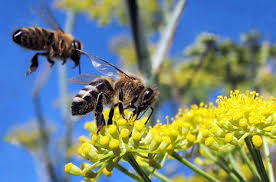


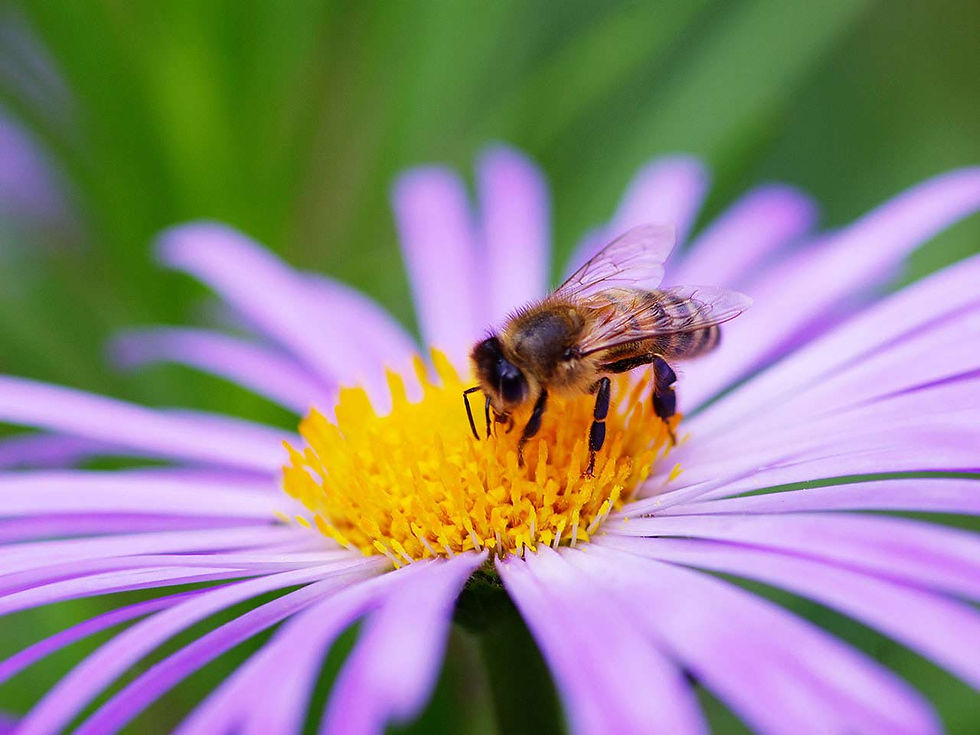


The decline of bees is not just a nation wide problem, this problem is affecting many parts of the world. Over the last ten years some countries have seen a decline of over half of their bee population.
In 2010, the United Nations Environment Programme reported that: “The Food and Agriculture Organisation of the United Nations (FAO) estimates that out of some 100 crop species which provide 90 percent of food worldwide, 71 of these are bee-pollinated. In Europe alone, 84 percent of the 264 crop species are animal pollinated and 4000 vegetable varieties exist thanks to pollination by bees.” The bottom line is if bees disappear, so does the vast majority of our food.
AREAS AFFECTED
PROTECT THE BEES

Beware hidden killers
Some commercial compost now contains imidacloprid, a deadly insecticide. It is highly toxic to all insects and all soil life, including earthworms. Plants absorb the chemical and if you use this compost in hanging baskets bees seeking water from the moist compost may be killed.
Believe it or not but honey brought in from overseas contains bacteria and spores that are very harmful to honeybees. If you leave a honey jar outside it encourages honeybees to feed on the remaining honey. There is a good possibility that this will infect the bee and in turn the bee will infect the rest of the colony resulting in death of the colony. Always wash out honey jars and dispose of them carefully.
The chemicals and pest treatments you put on your lawn and garden
can cause damange to the honeybees systems. These treatments are especially damaging if applied while the flowers are in bloom as they will get into the pollen and nectar and be taken back to the bee hive where they also get into the honey—which in turn means they can get into us.
The first thing that you can do is plant bee-friendly flowers or flowering herbs in your garden. One of the biggests threats to the bees is the loss of habitat so, planting such flowers in your garden will help provide the bees with forage.
HOW TO HELP
Understand that backyard plants such as dandelions and clover are pollen and nectar sources for a wide variety of beneficial insects, including the honey bee. Dandelions and clover are a unwarranted nuisance for many homeowners. The desire to rid yards of these unwanted plants and have the "perfect" yard, are sources for chemical runoff and environmental damage from lawn treatments. A perfect lawn is not worth poisoning the earth.
Support Local and Organic Farmers, Given that insecticides are cited as being the main cause of bee decline, a switch to organic farming is the first logical step. Organic farmers work with nature and the seasons to grow their crops, without the use of harmful pesticides, supporting both biodiversity and the bee.


The reports of bees dying off have become from frequent and more alarming over the years. Bees are in fact the biggest pollonators and they are responsible for one third of the food that we consume.
Because of the increased demand for food production the traditional agricultural practises where scraped in favbour of techniques that increased productivity. However this decresed the amount of wildflowers in the countryside.
The problem with this is that bees need Nectar and Pollen inorder to survive. Nectar provides an important energy source for the bees and pollen gives vitl protein and fats.


